Signs Your Moving Equipment Needs Repair: What to Watch for Before Moving Day
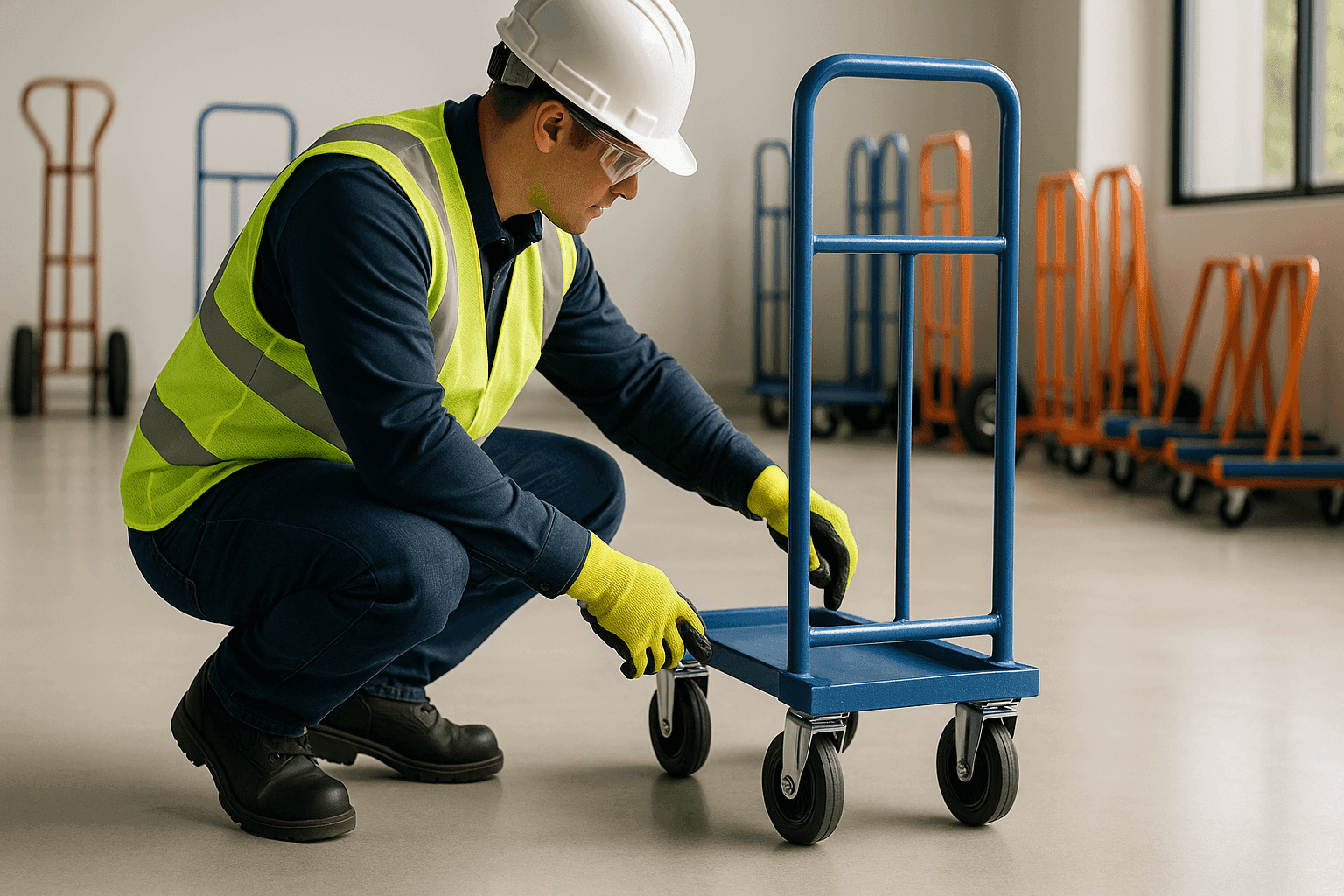
Moving day waits for no one. Whether you’re shifting office desks or your family’s kitchen table, reliable equipment is your silent partner. But when wheels wobble or handles slip, your smooth move can quickly turn into a headache—sometimes even a safety hazard.
At Ready, Set, GO!, we know those “little problems” with moving equipment rarely stay little. A small repair overlooked today can mean a big disruption tomorrow. Here’s how to spot trouble before it stops your move in its tracks.
Why Early Repair Matters
Think of moving equipment like the tires on your car. You wouldn’t drive cross-country on threadbare rubber—so why risk your valuables (and your back) on damaged dollies, lifts, or carts?
Early repairs keep your move running on schedule. They help prevent accidents, protect your property, and keep everyone—homeowners, tenants, employees, and customers—safe. Fixing a loose bolt is always easier than dealing with a broken cart (or worse, an injury).
According to the Occupational Safety and Health Administration (OSHA), regular inspection and prompt repair of material handling equipment is critical for workplace safety and efficiency. The same holds true at home.
Warning Signs to Watch 👀
Spotting trouble early is half the battle. Here are the most common red flags:
- Worn Wheels: Flat spots, cracks, or excessive wobble. If your dolly sounds like a shopping cart with a limp, it’s time to inspect.
- Loose Handles: Handles that twist, rattle, or pull out easily. Secure grip is non-negotiable—especially on stairs or ramps.
- Malfunctioning Lifts: Jerky movement, slow response, or failure to hold weight. Hydraulic lifts should move smoothly and quietly.
- Rust or Corrosion: Flaking metal, pitted surfaces, or visible rust on joints and hardware. Moisture is the enemy of moving gear.
- Frayed Straps or Broken Fasteners: Tears, frays, or bent buckles on tie-downs and straps can spell disaster.
- Unusual Noises: Squeaks, pops, or grinding sounds mean parts aren’t moving as they should.
Homeowners: What to Check
- Test each piece before moving day.
- Load a lighter item and roll it across a safe surface.
- Tug on handles, check straps, and listen for odd sounds.
Business Managers: What to Check
- Review inspection logs for commercial equipment.
- Task employees to report issues right away.
- Schedule routine checks during slow periods.
Preventing Downtime: Stay Ahead of Trouble
A stalled cart or lift on moving day can cause costly delays. Here’s how to keep things rolling:
- Routine Inspections: Check equipment before and after every use. A two-minute look now can save hours later.
- Maintenance Schedules: Follow manufacturer-recommended service intervals. Mark your calendar or set reminders.
- Keep Spares Handy: Stock extra wheels, straps, and fasteners. Quick swaps keep downtime to a minimum.
- Employee Training: Teach your team how to spot and report early warning signs.
Safety Considerations 🚨
Safety isn’t just a buzzword—it’s non-negotiable. The National Safety Council (NSC) and OSHA both stress the importance of using only well-maintained equipment.
- Overloaded carts can tip or collapse.
- Loose handles increase risk of drops and injuries.
- Malfunctioning lifts can fail suddenly, putting workers at risk.
Always match the tool to the job, and never push damaged equipment “just this once.” If in doubt, pull it from service until it’s inspected.
Quick Safety Checklist
- Are wheels spinning smoothly with no cracks?
- Do handles feel tight and secure?
- Are all bolts and fasteners in place and rust-free?
- Do straps and tie-downs show any wear?
- Does the lift move up and down without jerking or sticking?
If you answer “no” to any of these, it’s time for a closer look.
DIY or Call a Pro?
Some fixes are simple—a tight bolt or new strap takes only minutes. But for more complex issues, like hydraulic leaks or structural cracks, professional help is a must.
DIY Tips:
- Keep a basic toolkit nearby.
- Replace worn-out wheels or handles with manufacturer-approved parts.
- Lubricate moving parts with recommended lubricants.
When to Call Ready, Set, GO!:
- Structural damage or persistent mechanical issues.
- Hydraulic or electrical problems.
- Anything that affects safety or stability.
What Pros Do On Arrival
When you book a moving_service repair or inspection, here’s what happens:
- Full visual check of all moving equipment.
- Functional testing under safe, controlled conditions.
- Minor repairs (tightening, lubrication, adjustments) on the spot.
- Recommendations for major repairs or part replacements.
- Documentation for business managers and compliance.
Professionals work to industry standards—like the ANSI/ASME B56 series for material handling equipment—because safety isn’t optional.
Prevention & Maintenance
Simple habits go a long way:
- Store equipment indoors and dry.
- Clean after each use—wipe away dirt, debris, and moisture.
- Follow a written maintenance checklist.
- Rotate equipment if you have multiple sets, so wear is even.
Seasonal changes matter, too: Cold can stiffen lubricants, and heat can warp plastic parts. Adjust your routine as the weather changes.
Costs & Time Factors
Repair costs depend on the issue. Swapping out a wheel or handle is fast and affordable. Hydraulic or structural repairs take longer and may require special parts.
Time Factors:
- Minor fixes: 10–30 minutes
- Inspections: 30–60 minutes
- Major repairs: A few hours—occasionally up to a day if parts are needed
Remember, waiting until equipment fails can mean renting replacements, paying for rush repairs, or losing precious moving time.
When It’s an Emergency 🚨
Some situations can’t wait:
- Equipment failure in the middle of a move
- Visible damage that threatens safety
- Stuck lifts or carts blocking exits
In these cases, stop using the equipment immediately. Call a professional repair service (like Ready, Set, GO!) right away. Never risk injury or property damage for the sake of speed.
FAQ: Common Moving Equipment Questions
Q: How often should I inspect my moving equipment?
A: Inspect before every use. For businesses, schedule detailed inspections weekly or monthly, following OSHA or manufacturer guidance.
Q: Can I use household tools for minor repairs?
A: Yes, for basics like tightening bolts or replacing straps. But stick to manufacturer-approved parts and avoid makeshift fixes.
Q: Is rust always a reason to replace equipment?
A: Surface rust can often be cleaned and treated. But deep corrosion on structural parts is a red flag—replace or repair as needed.
Q: What’s the fastest way to get a repair?
A: For quick fixes, keep basic parts on hand. For bigger issues, contact a moving_service with “Installation near you” for fast, local service.
Local & Seasonal Considerations
Moving equipment faces different challenges based on location and season:
- Humid climates: Extra vigilance against rust and corrosion.
- Cold climates: Check for stiff wheels and frozen lubricants.
- Urban settings: Potholes and curbs can damage wheels faster.
- Commercial buildings: Heavier loads mean more frequent inspections.
Adjust your maintenance routine to fit your environment. When in doubt, ask about a consultation or inspection tailored to your needs.
Ready to keep your move safe and on schedule?
Call Ready, Set, GO! now — or reach us anytime at 855-513-8584 .