How to Safely Move Fragile and Valuable Items: Pro Guide
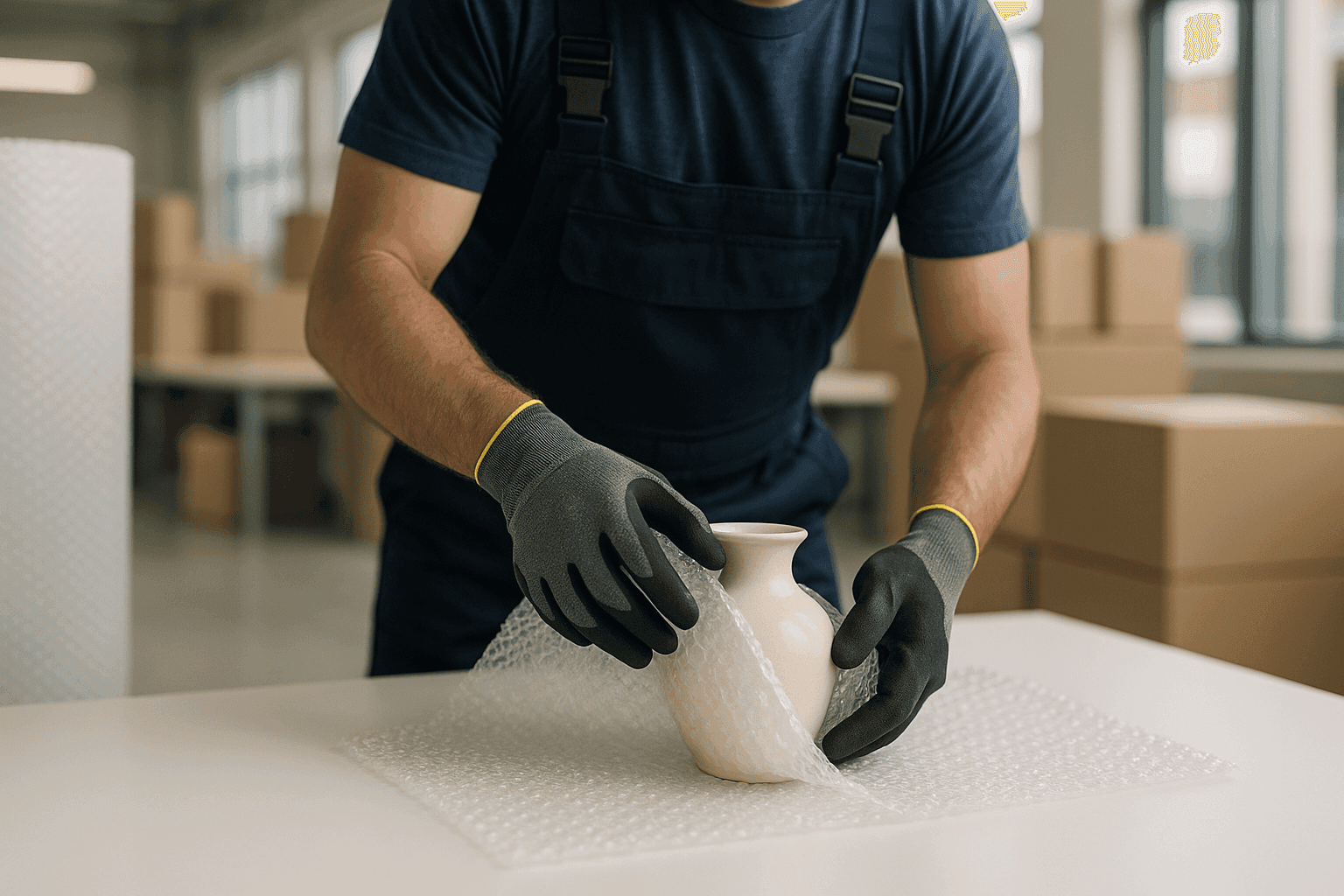
Moving day can feel like a high-wire act when you’re handling treasured art, antiques, or electronics. One slip, one jolt, and the results can be heartbreaking or costly. At Ready, Set, GO!, we get it. Fragile Item Handling isn’t just a service—it’s a craft shaped by careful hands, training, and the right tools.
Whether you’re moving a family home, a growing business, or a priceless collection, the stakes are high. Let’s walk through how to shield your most fragile and valuable possessions—step by step, with practical guidance from seasoned moving_services pros.
Understanding Fragile Item Risks 🥽
Fragile and high-value items come in many forms. Think of delicate glassware, vintage furniture, fine art, sensitive electronics, heirlooms, or even musical instruments. Each has unique vulnerabilities, like a snowflake—no two are exactly alike.
What can go wrong?
- Shocks and Drops: Even a small bump can shatter glass or loosen antique joints.
- Temperature Extremes: Sudden cold or heat may crack ceramics, warp wood, or damage electronics.
- Stacking Pressure: Heavy boxes on top of delicate items? That’s a recipe for disaster.
- Moisture and Humidity: Artwork or papers can be ruined if exposed to damp air.
Understanding these risks is the first step in preparing for a safe move. The American Moving & Storage Association and the Federal Motor Carrier Safety Administration (FMCSA) emphasize planning and proper materials as essential safeguards.
Pro Packing Techniques
Packing isn’t just “put it in a box and tape it up.” It’s more like wrapping a gift that matters—a blend of science and care.
Choosing the Right Materials
- Bubble Wrap: For cushioning and shock absorption.
- Packing Paper: For wrapping and layering, especially around glass.
- Custom Crates: For large art, sculptures, or anything truly irreplaceable.
- Foam Padding and Corner Protectors: For frames, mirrors, and TVs.
- Sealable Plastic Bags: For small, loose hardware or delicate electronics.
Step-by-Step Packing for Item Types
Glass and Ceramics
- Wrap each item in packing paper, then bubble wrap.
- Place upright in sturdy boxes, never flat.
- Fill all gaps with crumpled paper or foam peanuts.
Artwork and Mirrors
- Use special mirror boxes or custom crates.
- Protect corners with foam guards.
- Never stack—always keep upright, clearly marked as “FRAGILE.”
Antiques and Heirlooms
- Disassemble if possible, keeping screws and hardware in labeled bags.
- Wrap all surfaces with moving blankets, then secure with plastic wrap.
Electronics
- Use original packaging if available.
- Remove batteries and cables; pack separately.
- Label all cords and components for easy reassembly.
Sturdy, professional-grade supplies matter. The right box with the wrong padding? Still risky. Choose proven materials—many available through professional moving_services or quality supply retailers.
Loading and Transportation Best Practices 🚛
Even the best-packed box is vulnerable if not loaded and transported with care. This is where pros at Ready, Set, GO! shine.
How Professionals Do It:
- Strategic Placement: Fragile boxes go on top, never at the bottom of stacks.
- Securing Loads: Tie-down straps and padded barriers keep items from shifting.
- Climate Control: For sensitive pieces (art, electronics, antiques), climate-controlled moving trucks or storage prevent damage from heat or humidity swings.
- No Gaps: Fill empty spaces with soft materials to prevent sliding.
For specialty items—like pianos, oversized art, or rare collections—custom crating and white-glove service are key. The National Institute for Conservation and the International Association of Movers both recommend climate and vibration controls for high-value shipments.
Unpacking and Inspection Tips
You’ve arrived. Relief! But the job isn’t done until every item is safely unwrapped and checked.
Safe Unpacking Steps:
- Open boxes on a flat, clean surface.
- Use scissors or a box cutter carefully to avoid damaging what’s inside.
- Remove packing material gradually—don’t tip boxes or yank items out.
- Inspect for any signs of damage immediately.
- For electronics, allow them to reach room temperature before plugging them in (to avoid condensation damage).
If anything is damaged, document it with photos and keep all packing materials. This helps if you need to file an insurance claim.
Professional Standards: How We Minimize Risk
At Ready, Set, GO!, every member of our team undergoes detailed training—packing, loading, and handling fragile items using best practices from leading industry associations. Here’s how we keep risks low:
- Insurance Options: We offer coverage choices for residential and commercial moves, so you have peace of mind.
- Specialized Equipment: From custom crates to climate-controlled units, we invest in the tools needed for safe transport.
- Continuous Training: Staff are trained and updated on the latest safety protocols and packing methods.
These steps mean fewer surprises, lower risk of loss, and an overall smoother moving_services experience.
Quick Safety Checklist ✅
- Label every box containing breakables as “FRAGILE” (and specify contents).
- Use the right size box—heavier items in smaller boxes, lighter items in larger ones.
- Don’t overpack. If a box rattles, add more padding.
- Seal boxes tightly with strong tape.
- Never stack heavy boxes on top of fragile ones.
- Review insurance options before moving day.
DIY vs. Call a Pro
Should you handle fragile items yourself? Sometimes. If you’re moving a few plates and glasses across town, careful DIY can work. But if you’re facing a house full of heirlooms, or a business with sensitive equipment, professional moving_services are the safer bet.
When DIY Works:
- You have time and patience.
- You’re moving short distance and can control the environment.
- Items are not irreplaceable or extremely valuable.
When Pros Make Sense:
- Long-distance or international moves.
- Large, heavy, or uniquely shaped valuables.
- High-value art, antiques, or electronics.
Remember, the right help isn’t a luxury—it’s smart protection.
What Pros Do On Arrival
When Ready, Set, GO! arrives, here’s what to expect:
- Walkthrough to identify all fragile and valuable items.
- Double-check packing and labeling.
- Review climate or special needs for sensitive pieces.
- Plan loading order for maximum safety.
- Confirm insurance details and document high-value assets.
This systematic approach cuts confusion and reduces risk, ensuring your moving_services experience is as stress-free as possible.
Prevention & Maintenance
Protecting your valuables doesn’t end on moving day. After the move:
- Store fragile items in climate-controlled spaces if possible.
- Keep inventory lists, including photos and serial numbers.
- For long-term storage, inspect items periodically for signs of damage or environmental changes.
The Smithsonian Institution and American Alliance of Museums recommend climate monitoring and regular inspection for valuable collections—good advice for homes and businesses alike.
Costs & Time Factors
Packing and moving fragile, valuable items takes more time and resources than standard household goods. Here’s what affects cost and timing:
- Material Costs: Specialty boxes, custom crates, climate controls.
- Labor: More hands and skilled attention for packing, loading, and unloading.
- Insurance: Higher coverage for high-value shipments.
- Distance: Longer moves require more planning and protective measures.
Time estimates also rise with complexity—wrapping each glass, building crates, and careful loading all add hours. But the investment beats the heartbreak of damaged treasures.
When It’s an Emergency
Sometimes, life throws curveballs. Flood, fire, or last-minute relocation? If you need emergency fragile item handling, professionals can mobilize rapidly.
- Keep a list of your most valuable and fragile items handy.
- Have packing supplies on hand for quick action.
- Contact moving_services with experience in urgent, high-value moves.
The Federal Emergency Management Agency (FEMA) recommends having an emergency action plan for valuables—especially documents, heirlooms, and electronics.
FAQ
Q: How do I know if I need climate-controlled moving or storage?
A: If you’re moving fine art, antiques, or sensitive electronics, climate control is often essential to prevent temperature- or humidity-related damage.
Q: What insurance options are available for fragile items?
A: Most reputable moving_services offer both standard valuation and enhanced coverage for high-value items. Review policy details before your move.
Q: Can I pack fragile items myself for a professional move?
A: Yes, but professional packing is recommended for high-value, irreplaceable, or unusually shaped items. Ask for guidance or supplies if you’re packing yourself.
Q: Is special handling needed for pianos, art, or antiques?
A: Absolutely. These items require custom crating, padding, and sometimes climate controls. Professionals have the right tools for these jobs.
Local & Seasonal Considerations 🌦️
Humidity, snow, and temperature swings can all affect how you move fragile items. In winter, watch for condensation on electronics and glass. In humid climates, wrap items securely and use moisture-absorbing packets. During peak moving seasons, book moving_services early for specialty care.
If you’re moving from or to a region with extreme weather, discuss climate needs with your movers. The right prep today saves regrets tomorrow.
Your valuables deserve more than luck. For careful, professional Fragile Item Handling near you, let Ready, Set, GO! bring skill, care, and peace of mind to your next move.
Call Ready, Set, GO! now — or reach us anytime at 855-513-8584 .