What Does Moving Service Installation Include? A Complete Residential and Commercial Guide
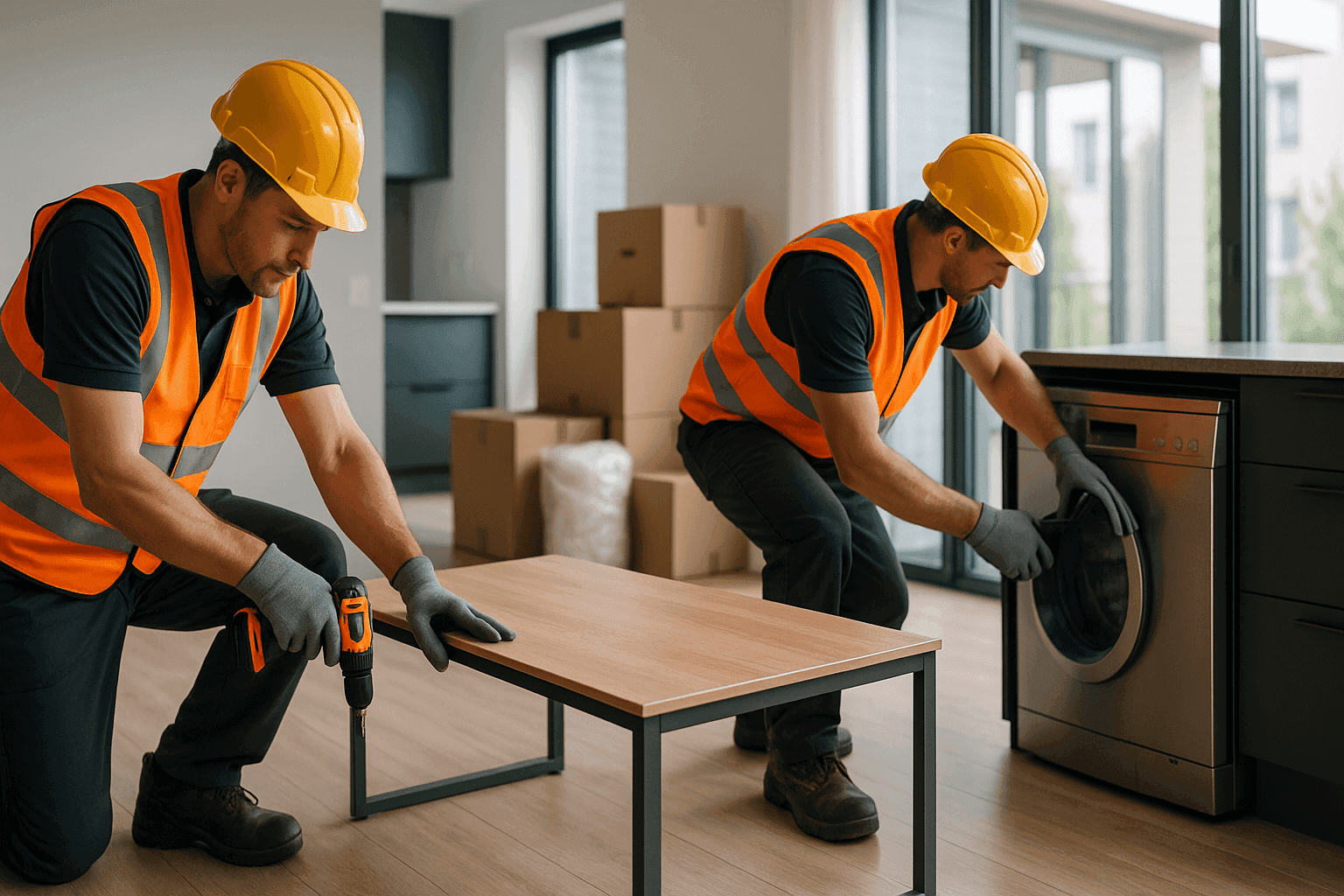
Moving isn’t just about getting boxes from point A to B. What happens after the truck doors swing open? That’s where installation from a professional moving_service like Ready, Set, GO! makes all the difference. Whether you’re setting up a cozy home or a bustling office, proper installation is the unsung hero that brings your new space to life.
But what does “installation” really mean when you hire a moving_service? Let’s break it down—step by step, with clarity and care—so you know exactly what to expect, how to prepare, and how to avoid headaches down the road.
Why Installation Matters 🛠️
Think of moving_service installation as the final mile of your move. It’s like building the stage before the show begins. You can’t enjoy your new surroundings until everything is safely set up and ready for use.
Here’s why installation matters:
- Safety: Unsecured appliances can lead to accidents. Furniture that isn’t assembled properly can collapse or become a hazard.
- Efficiency: A well-organized installation means you’re up and running faster—be it cooking dinner at home or launching a team meeting at work.
- Longevity: Correct setup extends the life of your furniture, appliances, and equipment.
- Compliance: In commercial settings, installations may need to follow OSHA standards or local building codes. For homes, safety codes from organizations like the National Fire Protection Association (NFPA) often apply.
Skipping professional installation is a bit like skipping the instructions for a complex puzzle. The pieces may fit, but do they stay together when it counts?
Steps Involved in Moving_Service Installation
Installation isn’t a single task—it’s a series of careful steps. Each one builds on the last to ensure a smooth transition into your new space.
1. Unpacking and Staging
- Carefully unpack items to avoid damage.
- Place furniture and equipment in the correct rooms or zones.
- Inspect everything for signs of damage during transit.
2. Assembly
- Reassemble beds, desks, conference tables, cubicles, shelving, and more.
- Follow manufacturer instructions for optimal safety and warranty protection.
- Use proper fasteners, tools, and techniques—no shortcuts.
3. Appliance and Equipment Setup
- Connect appliances (fridges, washers, ovens) to utilities.
- Level and stabilize each device to prevent future problems.
- Install office tech (computers, printers, projectors) with cable management for safety and tidiness.
4. Final Positioning and Adjustments
- Place furniture and equipment according to your floor plan or ergonomic needs.
- Adjust for safety—ensuring walkways are clear, outlets aren’t blocked, and nothing wobbles.
5. Inspection and Testing
- Test appliances and equipment to confirm proper operation.
- Walk through the space with you to verify satisfaction.
- Provide tips for ongoing care and answer any last questions.
Residential vs. Commercial: What’s Different?
While the steps above apply everywhere, the details shift between homes and businesses.
Residential Installation
- Focus on comfort, aesthetics, and family safety.
- Typical installs: beds, sofas, dining sets, laundry, kitchen appliances, TVs.
- Often includes wall mounting (TVs, shelves), basic utility hook-ups, and childproofing on request.
Commercial Installation
- Prioritize workflow, compliance, and team productivity.
- Typical installs: modular workstations, conference tables, filing systems, network hardware, large appliances.
- Frequently involves coordination with building management, IT staff, and may require after-hours service to minimize disruption.
- Must comply with safety codes (OSHA, Americans with Disabilities Act) and may require inspection sign-off.
If moving_service installation near you handles both, you’ll benefit from a team that brings the right mindset for your unique needs.
What to Expect from a Professional Installation
Here’s what a reputable moving_service like Ready, Set, GO! provides:
- Detailed Pre-Move Consultation: Understanding your layout, needs, and any specialty items.
- Certified Technicians: Trained on current safety guidelines (referencing resources like OSHA and NFPA).
- Transparent Communication: Clear timelines, what you need to prepare, and updates throughout the process.
- Protection for Your Property: Using floor runners, corner guards, and careful handling to prevent scratches or damage.
- Cleanup: Removal of packing materials and debris, so you’re not left with a mess.
How to Prepare for Installation Day
A little prep goes a long way. Here’s how you can help ensure an efficient installation:
- Clear the Path: Remove rugs, obstacles, and fragile items from hallways and entryways.
- Label Rooms and Items: Use sticky notes or door signs so installers know what goes where.
- Secure Pets and Kids: Keep them in a safe space, away from the work area.
- Check Utilities: Make sure water, gas, and electricity are turned on for appliance setup.
Practical Tips from Industry Standards
- Read Appliance Manuals: Have them handy for installer reference.
- Know Your Building Rules: Some condos and office buildings have specific moving hours or elevator restrictions.
- Consult Local Codes: For major installs (like gas appliances), check if permits or licensed professionals are required.
For authoritative guidance, resources like the National Fire Protection Association (NFPA) and Occupational Safety and Health Administration (OSHA) offer valuable safety advice for both residential and commercial settings.
Installation Near You: What Makes a Team Reliable?
Not all moving_service companies are created equal. Look for a provider who:
- Offers detailed walkthroughs before and after install.
- Follows manufacturer and safety guidelines.
- Communicates clearly and respects your space.
- Brings specialized tools and equipment for the job.
- Is insured and up-to-date on local regulations.
Your Responsibilities as a Client
- Be available for walkthroughs and sign-off.
- Share any special requirements (access codes, parking needs, fragile items).
- Confirm utility connections are ready.
- Ask questions—no detail is too small.
Common Questions About Moving_Service Installation
How long does installation take?
Timing depends on the size of your move and the complexity of the items. A single-family home might be set up in a few hours; a large office could take a full day or more.
Will installers handle heavy or specialty items?
Yes, but let your moving_service know in advance about oversized, delicate, or high-value items so they can plan accordingly.
What if something is damaged during installation?
Professional movers carry insurance and will address any mishaps promptly. Be sure to review policies before moving day.
Can I change my setup plan once installation starts?
Minor adjustments are usually possible. Major changes should be discussed during your pre-move consultation to avoid delays.
Final Thoughts: Ensuring a Smooth Setup
Installation is the bridge between a chaotic move and a fresh start. With planning, open communication, and a professional moving_service, the process can feel less like heavy lifting—and more like moving forward.
Ready to turn your new space into a place that works for you?
Call Ready, Set, GO! now — or reach us anytime at 855-513-8584 .