How to Move with Pets: Safe, Stress-Free Relocation Tips
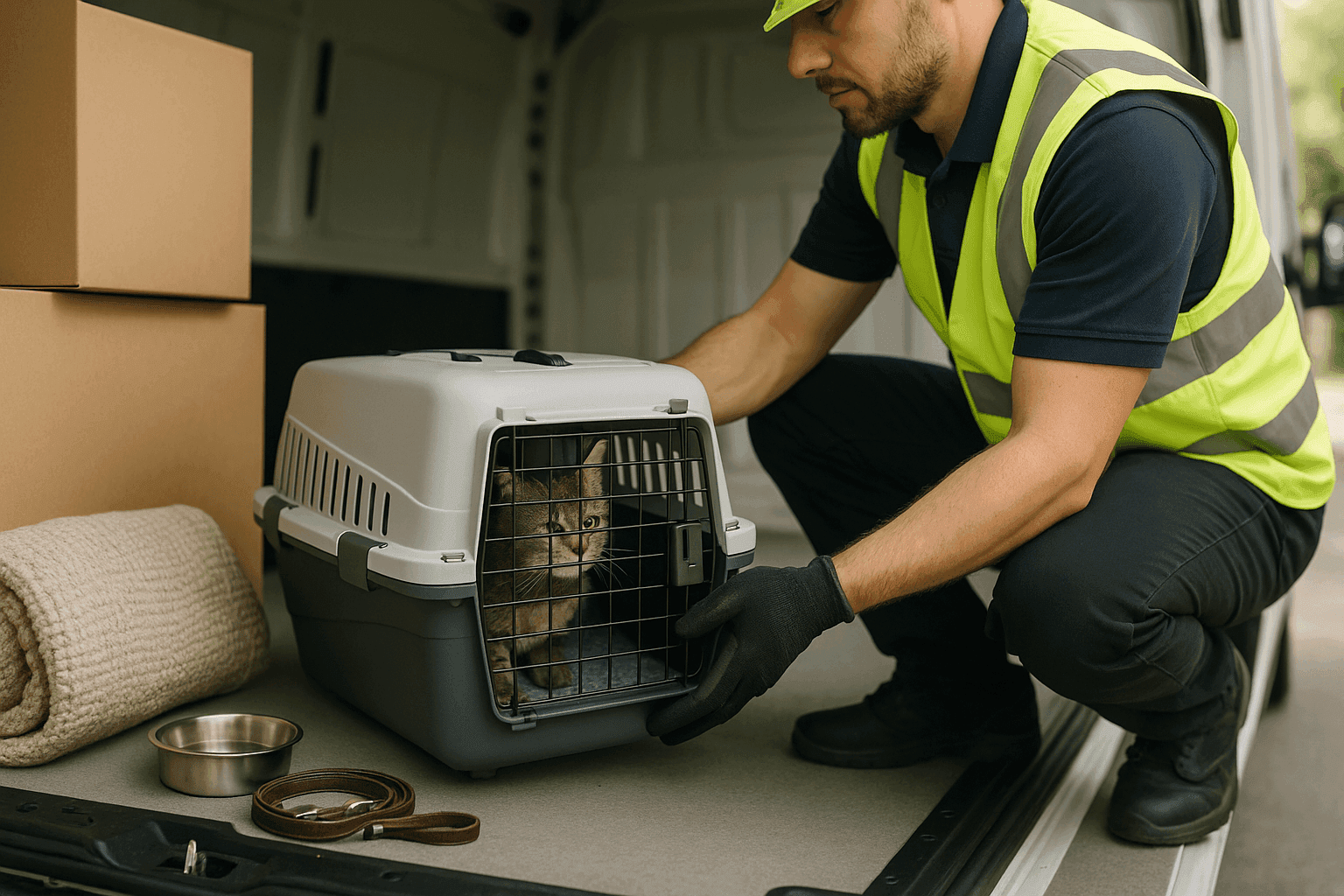
Moving is more than just boxes and bubble wrap. It’s your entire world in motion—including the four-legged family members. If you’re feeling the weight of moving day, imagine how it feels for your pets. They can’t read the calendar. But they know something big is happening.
At Ready, Set, GO!, we understand that pets are not cargo—they’re companions. Our moving_services team has handled everything from parrots in their plush cages to anxious cats and energetic dogs. With certifications in pet-friendly transportation and years of hands-on experience, we know how to keep tails wagging and whiskers untangled, even on the busiest relocation days.
Preparing Pets for Moving Day 🐾
Your pet senses the change before the first box is packed. Preparation is the secret to lowering their stress—and yours.
- Pet-Friendly Packing: Keep your pet’s favorite toys, bedding, and bowls out until the very last moment. The familiar scent is like a security blanket when the house starts to look unfamiliar.
- Gradual Acclimation to Carriers: In the weeks before the move, place the carrier out in the open. Drop in treats. Encourage naps inside. For cats, a sprinkle of catnip can work wonders. For dogs, a favorite chew toy helps. The carrier becomes a den, not a trapdoor.
- Update Microchips & ID Tags: Contact your vet. Make sure contact info is current on microchips and collars. According to the American Veterinary Medical Association, updated microchips are one of the most powerful tools for lost pet recovery.
- Routine is Reassuring: Walks, feedings, and play at regular times. Even as boxes stack up, consistency tells your pet, “I’ve got you.”
Safe Transport Methods
When it’s time to go, safety comes first—no matter the distance.
- Sturdy Carriers: Pick a carrier that’s well-ventilated and large enough for your pet to turn around. For fragile pets or exotic animals, consult your vet about specialized enclosures.
- Climate Control: Never leave pets in vehicles unattended. Even with the windows cracked, cars heat up fast—dangerous in minutes, especially during summer. In winter, cold can sneak in just as quickly.
- Pet-Specific Transportation Tips:
- For long-distance moving, pack a “pet go-bag”—food, water, medicines, vet records, and a comfort item.
- For birds or small mammals, cover cages with a breathable cloth to reduce visual stress.
- For dogs, regular stops for bathroom breaks and water are essential.
- For cats, a portable litter tray is a must.
- Professional Pet Transportation: Sometimes, moving_services teams like ours handle the entire process, from custom carriers to climate-controlled vehicles. If you’re searching for “Fragile Item Handling near you,” make sure your provider is experienced with animals, not just antiques.
Arriving at the New Home
New smells. New sounds. The unknown is everywhere for your pet. Make the landing soft.
- Setting Up a Safe Space: Designate a single, quiet room for your pet’s first hours or days. Set up their bed, toys, and water. Let them explore at their own pace.
- Reintroducing Routines: Feed and walk at the usual times, even if you’re surrounded by boxes. Familiar routines are anchors in a sea of change.
- Monitor for Stress: Watch for signs like hiding, loss of appetite, or excessive vocalizing. Gentle reassurance, patience, and treats help most pets settle in. If symptoms persist, consult your vet.
Emergency and Seasonal Considerations ⚠️
No move is ever completely predictable. Weather, traffic, and even holidays can throw you a curveball.
- Storms: Keep pets indoors and secured. Loud thunder or fireworks can trigger escape attempts. ID tags and microchips are your safety net.
- Heat: According to the Humane Society, heatstroke can happen in less than 10 minutes. Move pets in the early morning or evening during hot months. Always have water on hand.
- Cold: For winter moves, provide extra blankets and check that carriers are insulated from drafts.
- Holiday Moves: Decorations, parties, and unfamiliar guests can overwhelm pets. Keep them in a calm, secure space away from the chaos.
Quick Pet Relocation Checklist
- Update vet records and IDs
- Acclimate to carrier early
- Pack a pet go-bag
- Keep routines steady
- Prepare safe, quiet space at destination
- Monitor health and stress signs
DIY vs. Calling a Pro
Moving with pets can be a juggling act. If you’ve got a single goldfish, you might handle it alone. But if you’re relocating with a stubborn cat, a large dog, or multiple species, the stakes rise.
- DIY: You control every step, but risks include overlooked details and unexpected stress. If you’re moving cross-country or internationally, rules and regulations can be confusing.
- Professional Help: Moving_services with pet relocation experience manage logistics, compliance, and comfort. At Ready, Set, GO!, pet transport is handled with the same care as Fragile Item Handling near you—no shortcuts.
What Movers Do On Arrival
When our team arrives, we:
- Confirm your pet’s safe space is ready before unloading begins.
- Unpack pet essentials first—food, water, litter, bedding.
- Keep doors and windows closed to prevent escapes.
- Check in with you about your pet’s condition and needs.
Prevention & Maintenance
Planning is prevention. But life happens.
- Double-check fences and doors at the new home.
- Store cleaning products and hazards out of reach.
- Introduce your pet to the neighborhood slowly with leashed walks or supervised outings.
Costs & Time Factors
Moving with pets adds a layer of investment—time, effort, and sometimes money.
- Supplies: Carriers, travel crates, calming aids, and updated tags.
- Veterinary Prep: Health certificates (required for many interstate or international moves), vaccinations, and possible sedatives.
- Professional Transport: Fees vary by distance, species, and special requirements.
- Time: Acclimation can take days or weeks, especially for sensitive animals.
When It’s an Emergency
Accidents can happen. If your pet escapes or gets sick:
- Contact local animal control and nearby vets immediately.
- Post clear, recent photos of your pet on community boards and social media.
- Keep a digital copy of all medical records for emergency vet visits.
Frequently Asked Questions
Q: Should I sedate my pet for moving?
A: Only under direct guidance from your veterinarian. Sedation can have risks—sometimes it’s safer to use natural calming aids.
Q: Can my pet travel in the moving truck?
A: No. Pets should always travel in a climate-controlled car or specialized pet transport—not in cargo spaces.
Q: How soon will my pet adjust to the new home?
A: Every pet is different. Some settle in hours, others need weeks. Gentle routines and patience are key.
Q: What paperwork do I need for long-distance or international moves?
A: Health certificates, vaccination records, and sometimes import permits. Check with your vet and official government resources (like the USDA or your country’s animal import office).
Local and Seasonal Considerations 🌳
No matter where you call home, think local.
- Urban Moves: Busy streets mean extra leash control and awareness.
- Rural Moves: Watch for wildlife and secure fencing.
- Seasonal Hazards: Allergies, ticks, and local flora can affect pets in new regions. Check with your vet for local advice.
Moving with pets isn’t just a checklist—it’s a journey together. With careful planning and the right support, you’ll arrive at your new home with every member of your family safe and sound. For more guidance—or to schedule moving_services that treat your pets like the VIPs they are—
Call Ready, Set, GO! now — or reach us anytime at 855-513-8584 .